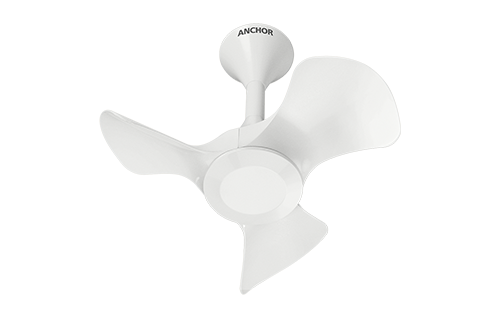
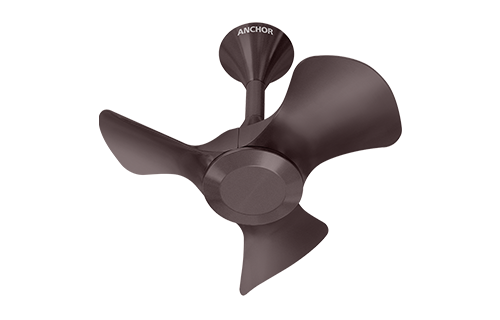
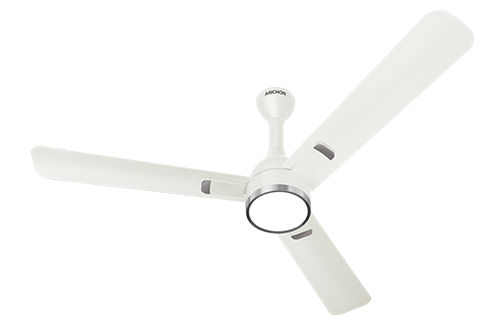
Ventilation fans are fans that create a flow of air, forcing stale air out while pulling fresh air inside, to help allow for easier and improved ventilation. This makes for the proper flow of air to maintain comfortable and healthy conditions inside homes, offices, or industrial settings
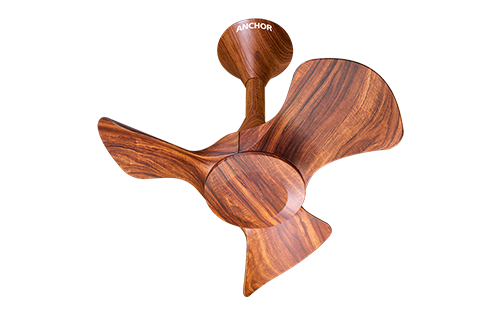
These fans help in regulating humidity, odors, and air pollutants, which is vital to indoor air quality. In contemporary homes and offices, ventilation fans greatly help in making an atmosphere that is both breathable and safe.
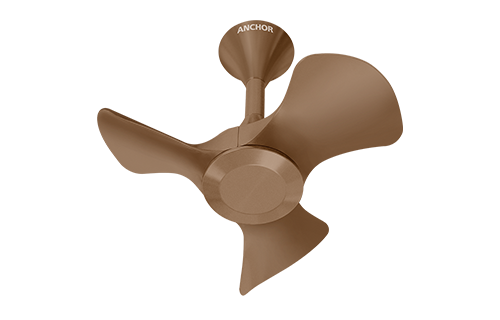
Types of Ventilation Fan
The ventilation fan you pick will depend on your needs and the space you have available. These include:
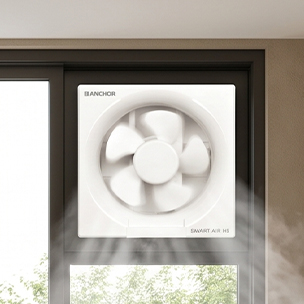
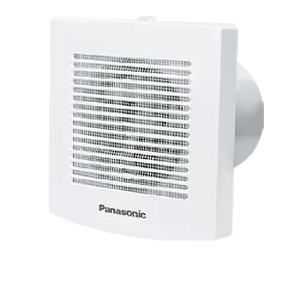
- Exhaust Fans: These fans pull stale air out of a room, which makes them perfect for bathrooms and kitchens.
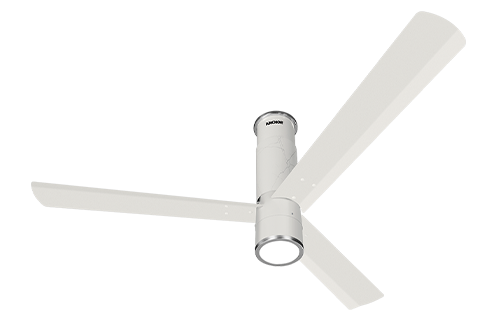
- Inline Fans: These are installed within ducts to serve larger spaces efficiently.
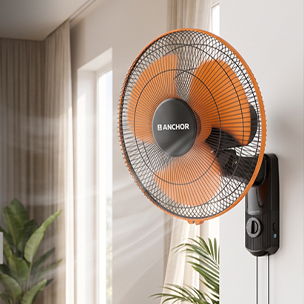
- Wall-mounted Fans: Suitable for direct installation on walls for targeted ventilation.
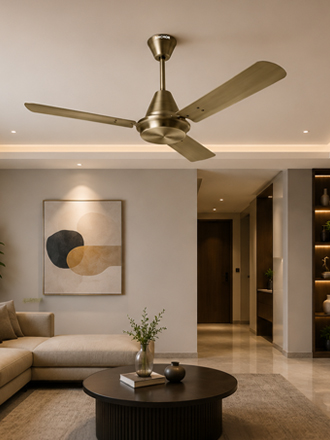
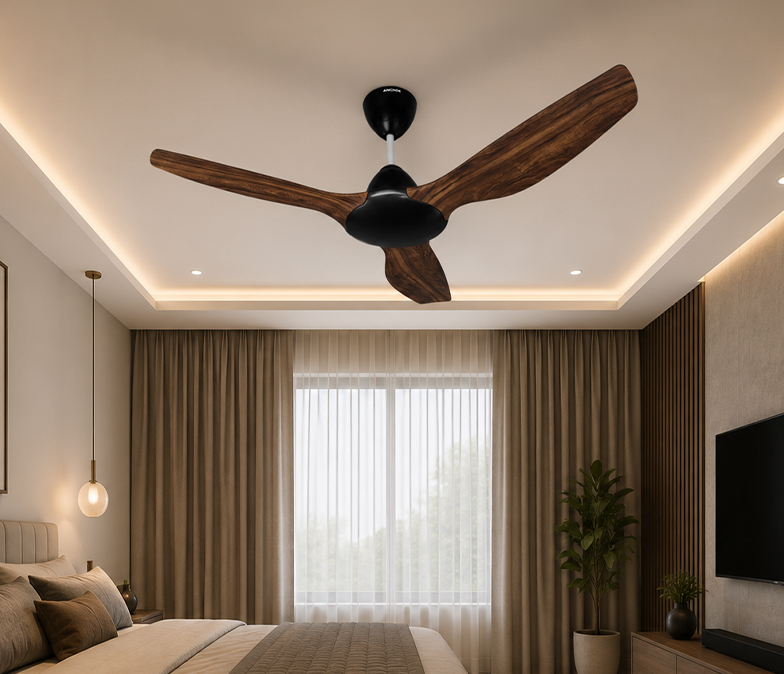
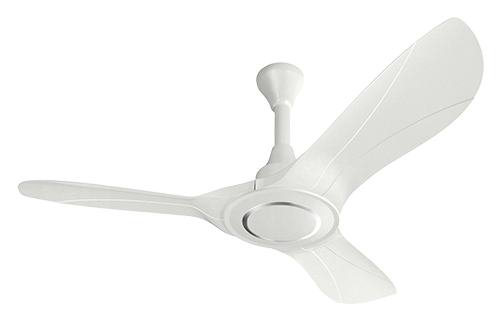
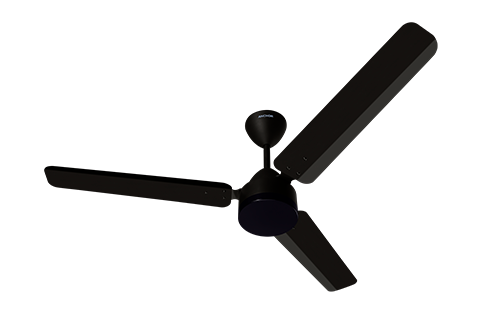
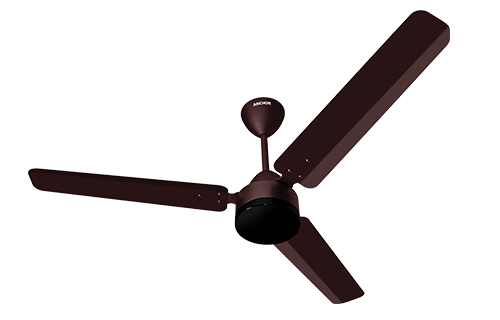
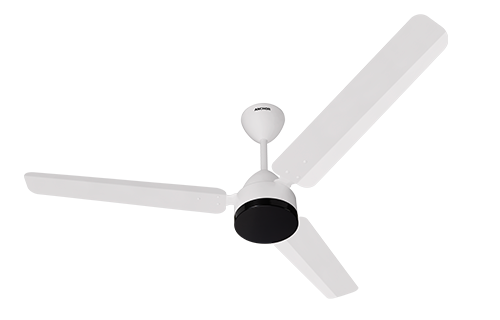
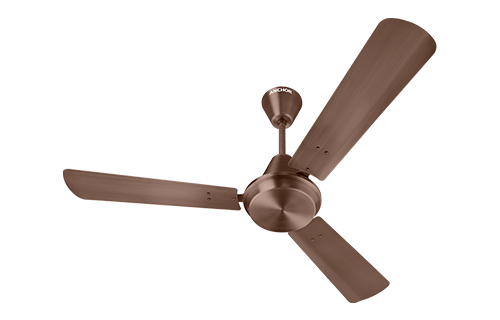
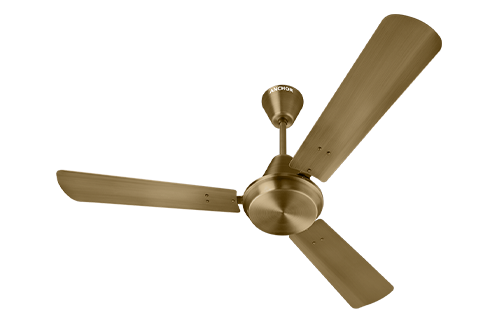
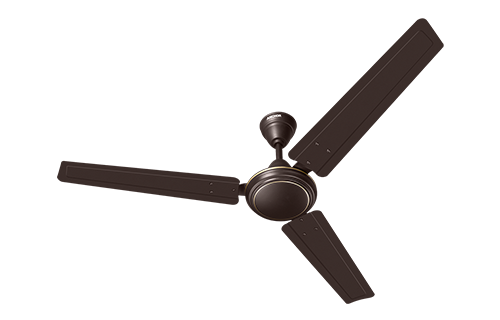
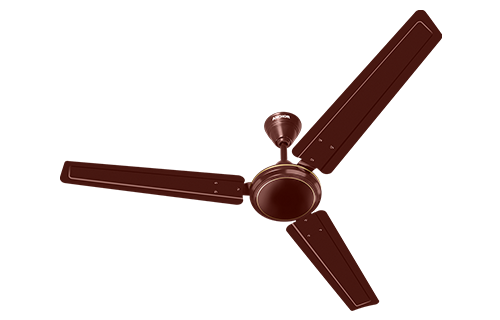
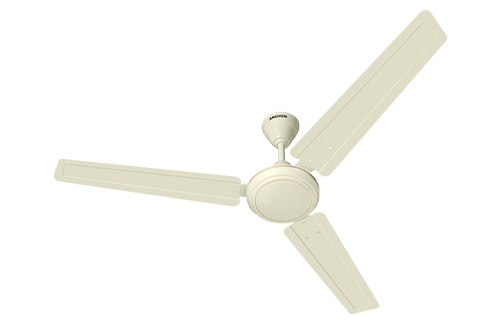
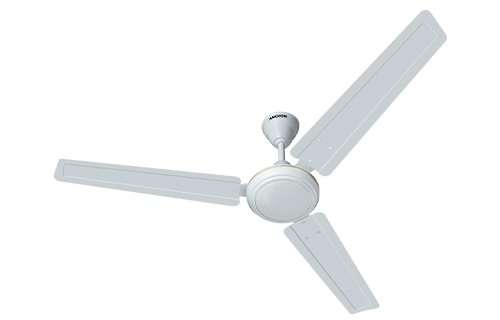
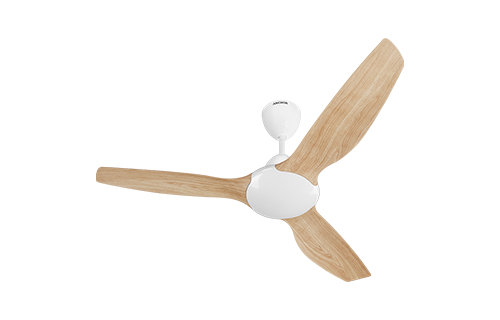
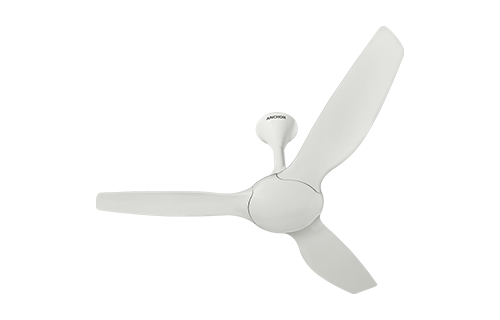
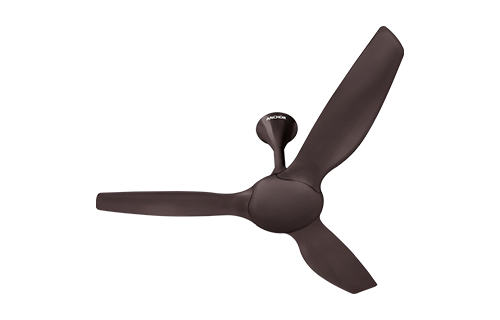
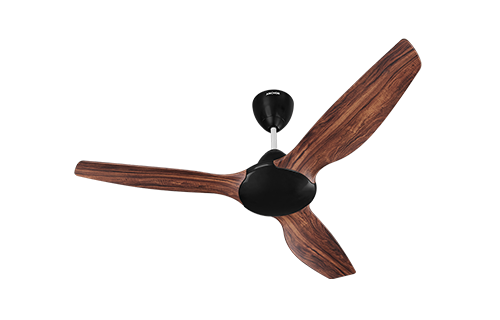
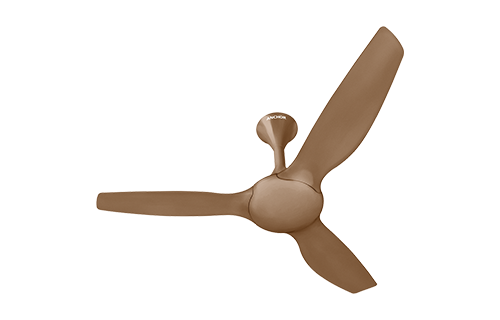
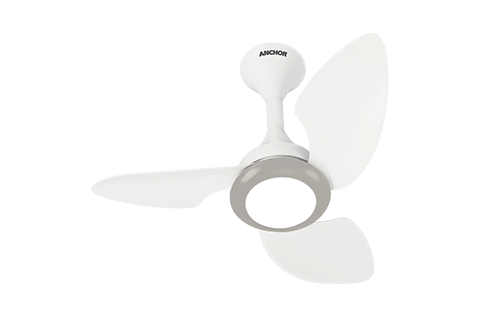
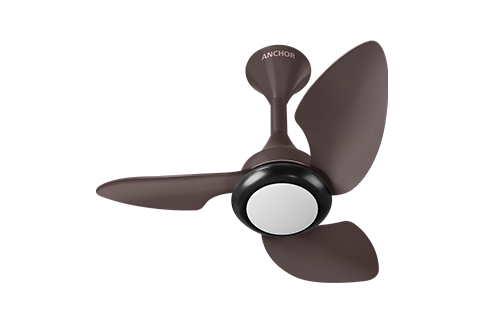
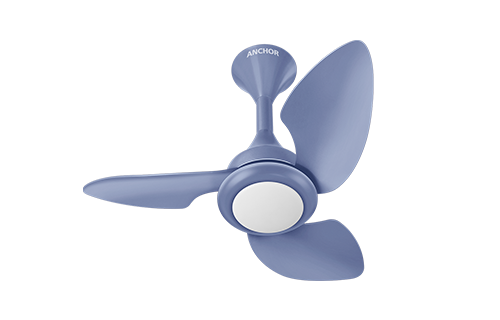
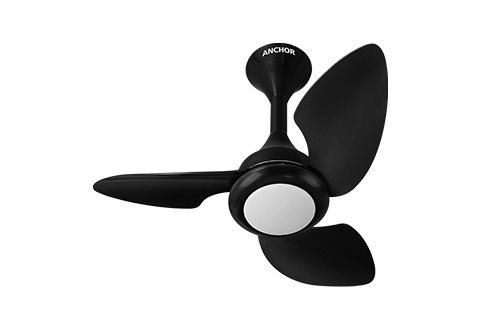
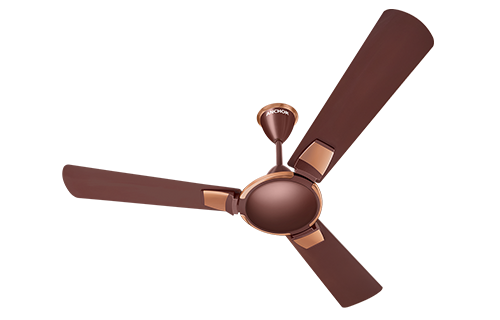
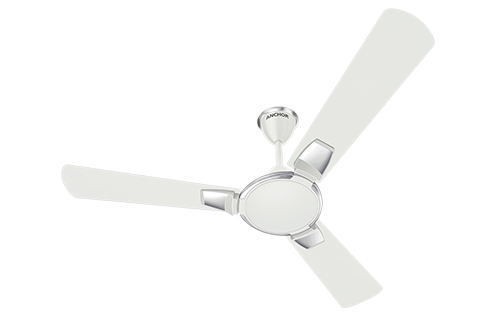
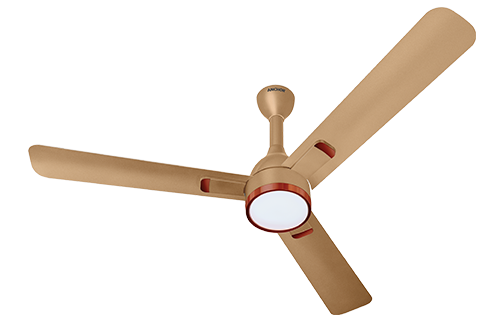
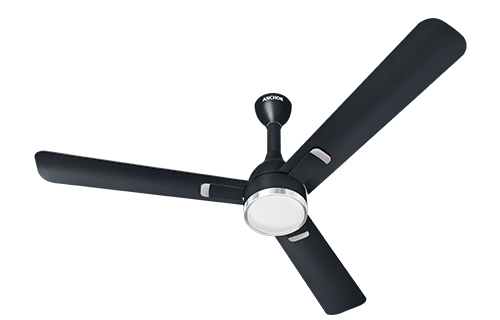
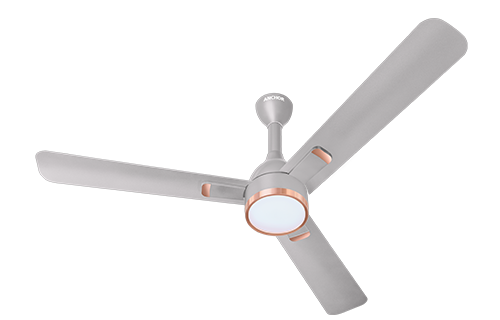
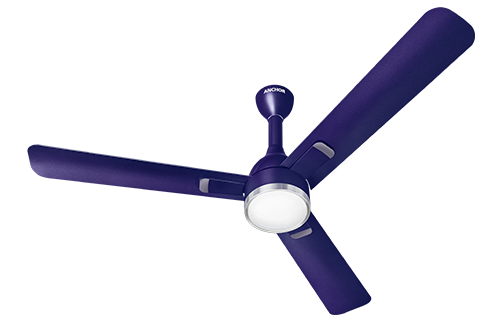
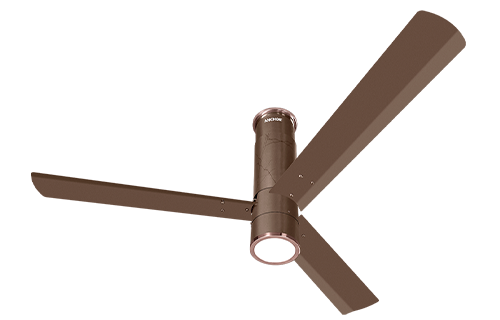
- Ceiling-mounted Fans: Often used for general room ventilation, dispersing air effectively.
- Bathroom Ventilation Fan: Specifically designed to handle moisture and odors in bathrooms, preventing mold and mildew.
- Kitchen Ventilation Fan: Designed to clear cooking fumes, smoke, and grease particles efficiently.
Each type addresses specific ventilation requirements, ensuring better air quality and comfort depending on the room's function.
Benefits of Ventilation Fan for Your Home or Business
Installing a ventilation fan brings numerous advantages, including:
- Preventing mold growth by reducing humidity levels.
- Removing unpleasant odors and smoke, especially from kitchens and bathrooms.
- Improving overall air quality and respiratory health.
- Enhancing temperature control and reducing condensation.
- Protecting interiors from moisture damage.
- Supporting energy efficiency through proper air circulation.
By providing continuous airflow, ventilation fans ensure a healthier, fresher environment while reducing maintenance costs related to dampness and poor air quality.
Where do we need Ventilation fans?
Ventilation fans are essential in various spaces to maintain adequate airflow and prevent air quality issues:
- Bathrooms: To remove moisture and prevent mildew, a bathroom ventilation fan is vital. It helps keep surfaces dry and extends the lifespan of bathroom fittings and paint.
- Kitchens: A kitchen ventilation fan helps clear smoke, odors, and grease-laden air. It also reduces airborne grease particles that can settle on surfaces and cause stains.
- Laundry rooms: To reduce humidity due to washing machines and dryers. Proper ventilation prevents damp smells and protects walls and fabrics from moisture damage.
- Basements and garages: To prevent stale air buildup and dampness. Regular ventilation can deter mold growth and improve comfort in less frequently used spaces.
- Commercial kitchens and workshops: To ensure ventilation in high oil or dust-producing environments. Efficient airflow supports employee health and maintains safer work conditions.
- Large industrial spaces: To support air circulation and maintain workspace comfort. Ventilation fans help reduce heat and pollutants, enhancing productivity and safety.
How does a Ventilation fan work?
The ventilator fan operates by forcing indoor air out to the outdoors while replacing it with fresh air from outside. This happens by rotation of fan blades, which in turn develop airflow. The fan produces a pressure difference, pulling stale air out and forcing fresh air into specified vents and ducts. This process:
- Removes pollutants, humidity, and odors.
- Helps maintain balanced air pressure.
- Facilitates continuous air circulation for better indoor atmosphere.
Ventilation fans maintain healthy airflow, which is vital for comfort and hygiene.
How does a Ventilation fan work?
The rotation of a ventilation fan occurs through a motor-driven system. Here's how this happens:
- The blades are driven by an electrical motor.
- Brushless motors or induction motors are used commonly for long life and quiet operation.
- The airflow rate is determined by the rotation speed, in RPM.
- Symmetrical and aerodynamic blade designs assure efficient air movement.
- Smooth, consistent rotation enables ventilation fans to generate necessary airflow while minimizing noise.
What is the power of a Ventilation fan?
The power consumption of a ventilation fan varies depending on the model and its application:
- Power ranges typically between 10W to 100W for residential ventilation fans.
- More powerful fans, such as those used in commercial or industrial spaces, may consume more.
- Modern ventilation fans are designed for energy efficiency, marked by compliance with 5-star or better ratings.
- Efficient motor design ensures maximum airflow with minimal energy consumption.
Energy-efficient ventilation fans help reduce electricity bills while maintaining effective ventilation.