


- Consumer Products
Back
Consumer Products
- Switches and Sockets
- Accessories
- Wires, Cables and Tapes
- Switchgear and Protection Devices
- PVC Conduits and Accessories
Back
PVC Conduits and Accessories

- Smart Homes and Buildings
Back
Smart Homes and Buildings
- Fans and Ventilation
- Water Heaters
- LED Lighting
- Solar
- Modular Kitchen
Back
Modular Kitchen

- Home Advancements
Back
Home Advancements

- Power Tools
Back
Power Tools
- EV Charger and Accessories
- Home Appliances
Back
Home Appliances
- Industrial Products
- Inspirations
- About Us
Back
About Us
- Our Story
Back
Our Story
- Manufacturing Excellence
Back
Manufacturing Excellence
- CSR
Back
CSR
- Careers
Back
Careers
- Our Story






Families often face tough choices when selecting between an instant water heater and a storage water heater for their homes, particularly during bathroom upgrades or winter readiness. Both serve as reliable water heaters, yet their approaches to delivering hot water differ in ways that impact comfort, costs, and convenience. This guide delves into the difference between instant and storage geyser thoughtfully, offering insights to match your household needs perfectly. Understanding these distinctions leads to smarter, more satisfying decisions.
Storage Water Geyser
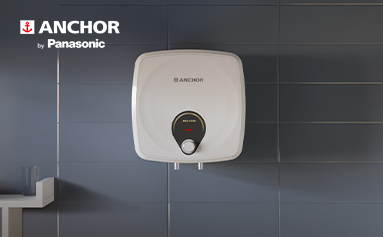
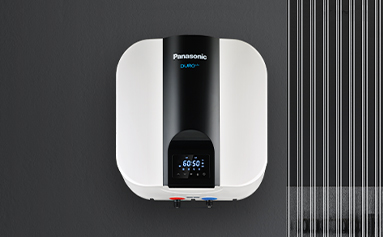
Storage water heaters, like such as the Solvina water geyser keep a reservoir of water heated and ready inside an insulated tank, making them a dependable choice for homes where hot water demands come frequently. They provide a steady supply without interruptions, which many families find reassuring during busy mornings.
How They Work
An electric heating element warms the water gradually within the tank, while a thermostat ensures the temperature stays consistent as cold water refills from the supply line. This setup allows multiple draws of hot water before needing significant reheating.
Key Advantages
- Capacities ranging from 10 to 50 liters accommodate various family sizes comfortably.
- The insulation holds heat effectively for several hours, reducing the need for constant energy input.
- Safety features like pressure relief valves add essential protection.
Suitability
These models excel in larger households or places with high simultaneous usage, such as guest bathrooms during gatherings. Regions with consistently cold water also benefit from their robust pre-heating capability.
Instant Water Geyser
Instant water heaters, such asthe Viola water geyser spring into action the moment you turn on the tap, heating cold water as it passes through the powerful internal coils. Their straightforward design appeals to those prioritizing speed and simplicity in smaller living spaces.
How They Work
High-wattage elements activate only during flow, delivering piping hot water almost immediately without any storage involved. This on-demand process eliminates waiting times entirely for brief uses.
Key Advantages
- Their slim, wall-mounted profiles fit neatly into confined areas without dominating the room.
- Energy savings arise from zero standby operation, as no heat escapes from an idle tank.
- Quick installation appeals to renters or those renovating compact zones.
Suitability
Single occupants or guest facilities see the most benefit, where hot water needs remain sporadic and limited to short bursts. Milder climates pair well with their efficient, focused performance.
Difference Between Instant Geyser vs Storage Geyser
The difference between instant and storage water geyser reveals itself through everyday practicalities like readiness, power draw, and footprint. A comparison table summarizes these contrasts for easy reference.
| Feature | Instant Water Heater | Storage Water Heater |
|---|---|---|
| Heating Method | Heats water on-demand during flow | Stores and maintains heated water in a tank |
| Water Capacity | Unlimited continuous supply, low flow rate | Fixed tank size (10-50L), higher simultaneous use |
| Electricity Usage | High power bursts (3-8kW), no standby loss | Steady lower power (2kW), some heat retention loss |
| Installation Space | Compact wall-mount, minimal footprint | Larger tank requires dedicated wall/floor space |
Factors to Consider When Choosing Between Instant and Storage Geysers
Practical considerations like family size, local weather, and energy goals shape the ideal difference between instant and storage geyser for your setup. Reflect on these to align with your routine.
Small Households or Single Users
An instant water heater serves beautifully in solo living or couple homes, providing just enough heated water for individual showers without excess energy spent on unused reserves. Its unobtrusive size integrates seamlessly into modest bathrooms, leaving room for other essentials.
Large Families
Storage water heaters support multiple family members drawing hot water close together, such as during peak evening hours, without performance dips or long waits. The generous tank capacity ensures everyone enjoys comfortable temperatures throughout.
Cold Climate Regions
In areas with icy inlet water, storage water heaters prove more reliable by pre-warming substantial volumes ahead of time, maintaining consistent output even under strain. Instant types might falter, delivering cooler flows during extreme chills.
Energy Efficient Homes
Instant water heaters align well with conservation-minded setups, activating solely when needed and avoiding the gradual heat dissipation common in tanks overnight. They complement solar-assisted systems effectively for further savings.
Conclusion
Both instant water heater and storage water heater options deliver dependable warmth when selected with care, prioritizing aspects like robust safety mechanisms, corrosion-resistant tanks, and efficient elements for peace of mind. Durability ensures fewer replacements over the years, while matching capacity to habits helps minimize your running expenses.
FAQs
Which type of geyser is best for Indian households and climates?
Storage water heaters fit most Indian homes with diverse climates and family dynamics, offering ample hot water reserves for peak demands like winter mornings. Instant water heaters thrive in smaller setups or milder regions with lighter usage. Assess your specific patterns for the right balance.
How long does a storage geyser take to heat water fully?
Storage water heaters generally warm a 25-liter tank in 20 to 40 minutes from cold, varying by model power and starting temperature. Larger capacities extend this slightly, but insulation preserves readiness for hours afterward.
How much electricity does an instant geyser consume compared to a storage geyser?
Instant water heaters draw 3 to 8 kW in focused bursts during operation, often totaling less monthly for sparse use. Storage water heaters use around 2 kW more steadily, accumulating from continuous tank maintenance.
Which is more energy-efficient: instant geyser or storage geyser?
Instant water heaters edge out in efficiency for infrequent, short-duration needs by eliminating standby losses entirely. Storage water heaters prove superior in high-volume scenarios, heating once for multiple draws efficiently.
Which geyser type is better for areas with very cold inlet water?
Storage water heaters handle frigid incoming water more effectively, building and holding heat in larger quantities for steady delivery. Instant water heaters can struggle, sometimes yielding tepid results under heavy chill loads.
Which option is more space-saving and easier to install in small bathrooms?
Instant water heaters conserve precious room with their sleek, lightweight wall-mount form, slipping above sinks or showers without hassle. Professional fitting takes minimal time, suiting compact modern bathrooms beautifully.
Over the long term, which type of geyser is more cost-effective for a family home?
Storage water heaters deliver stronger cost-effectiveness for families through bulk heating that serves repeated uses economically. Instant water heaters are beneficial for lighter households, curbing energy spend over time through more targeted operation.
Share this post


Select more categories
Share this postX
Category


Download Mobile Apps
- Wizz Smart


- MirAIe
- Anchor Smart Saver
- Anchor Samridhi


