


- Consumer Products
Back
Consumer Products
- Switches and Sockets
- Accessories
- Wires, Cables and Tapes
- Switchgear and Protection Devices
- PVC Conduits and Accessories
Back
PVC Conduits and Accessories

- Smart Homes and Buildings
Back
Smart Homes and Buildings
- Fans and Ventilation
- Water Heaters
- LED Lighting
- Solar
- Modular Kitchen
Back
Modular Kitchen

- Home Advancements
Back
Home Advancements

- Power Tools
Back
Power Tools
- EV Charger and Accessories
- Home Appliances
Back
Home Appliances
- Industrial Products
- Inspirations
- About Us
Back
About Us
- Our Story
Back
Our Story
- Manufacturing Excellence
Back
Manufacturing Excellence
- CSR
Back
CSR
- Careers
Back
Careers
- Our Story






Everyone needs hot water for bathing on those cold winter mornings, and options will usually come down to gas and electric geysers. Both options heat water effectively, but there are clear differences between electric geyser vs gas geyser, both in how they operate and how they suit various households. A gas geyser provides instant hot water using fuel, while an electric geyser stores heated water in a tank ready for use. Many households consider both gas geyser and electric geyser types to find the best fit for their bathroom or kitchen setup. This detailed look covers everything from working mechanisms to practical pros and cons, helping you make an informed choice.
What is a Gas Geyser?
A gas geyser uses LPG or piped natural gas to heat water on demand as soon as you open the tap, providing continuous hot water as long as gas supply remains available. It works well for homes already connected to gas lines and saves space in compact bathrooms.
- The compact wall-mounted unit installs easily above sinks or in shower areas.
- Built-in sensors detect water flow and ignite the gas burner automatically.
- Copper pipes inside transfer heat from the flame to incoming cold water quickly.
- A chimney or exhaust pipe releases combustion gases safely outdoors.
- Adjustable controls let you set the temperature from warm to very hot.
How Gas Geysers Work
Gas geysers activate only when water flow begins, lighting a burner that heats it directly for instant delivery.
- Cold water flows into the unit and triggers a sensor that starts the gas burner.
- An electronic igniter creates a spark to light the flame under the heat exchanger.
- The flame warms the water as it passes through, and hot water comes out at the tap.
- Exhaust fumes exit through a vent pipe to keep indoor air clean and safe.
- Sensors shut off the gas if oxygen levels drop or flames go out unexpectedly.
Pros and Cons of Gas Geysers
Gas geyser models bring advantages like endless supply, but they require proper venting and gas management. Families appreciate the balance for busy mornings.
Here are the main upsides and downsides.
Pros:
- Supplies continuous hot water for the whole family without waiting for refills.
- Fuel costs stay lower than electricity over time, especially for heavy use.
- No energy wasted on keeping water hot since it heats only when needed.
- Takes up minimal space compared to large tank models.
- Functions even during electricity outages as long as gas remains available.
Cons:
- Requires a chimney or exhaust pipe installed to vent gases outside properly.
- Gas cylinders need regular refills, which take up storage space.
- Professional checks ensure safe installation and regulator function.
- Produces a slight humming sound from the flame while operating.
- Higher floors in apartments may face issues with gas pressure.
What is an Electric Geyser?
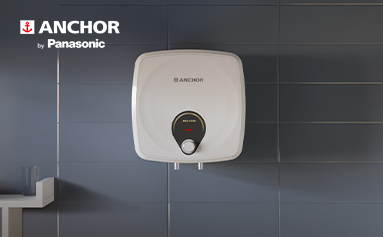
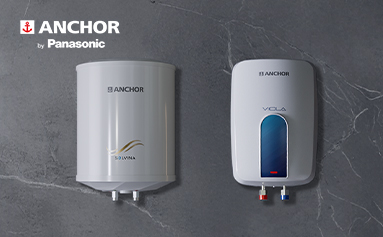
An electric geyser heats and stores water in an insulated tank using internal heating elements, keeping it ready whenever you need a bath. It proves reliable in areas with steady power supply.
- Inner tanks use stainless steel or glass-lined coating to resist rust.
- Thick insulation around the tank holds heat for several hours.
- Heating elements turn on to warm water whenever the temperature drops.
- Safety valves release built-up pressure to avoid any risks.
Sturdy brackets hold the full tank securely on bathroom walls.
How Electric Geysers Work
Electric geyser fills its tank from the water line and maintains set temperatures with automatic controls. The process ensures consistent heat without the need for constant monitoring.
- Water enters the tank through an inlet valve until it reaches the full mark.
- A thermostat detects lower temperatures and switches on the heating rods.
- Elements warm the water from the bottom, and natural currents mix it evenly.
- Insulation keeps the heat inside, reducing the need for frequent reheating.
- Safety devices cut power if the tank runs dry or overheats.
Pros and Cons of Electric Geysers
Electric geyser units offer ease of use and safety without gas handling, though they consume more power for heating. Consider your usage patterns carefully.
Pros:
- No open flames or gas lines make it safer around children and elders.
- Easy installation using standard wall sockets in apartments or houses.
- Precise temperature settings let everyone adjust to their preference.
- Operates silently with no burner noise during the heating process.
Cons:
- Loses some heat over time, leading to extra electricity for reheating.
- Draws high power, so check wiring and add MCBs to prevent trips.
- Tank capacity limits back-to-back use for larger families.
- Stops working completely during power outages or voltage drops.
- Takes up more vertical space due to the storage tank.
Gas Geyser vs Electric Geyser — Side-by-Side Comparison
his gas geyser vs electric comparison highlights differences in speed, cost, and setup, making it simple to see which suits your home better.
Feature | Gas Geyser | Electric Geyser |
Water Heating | Instant on demand | Stored in tank |
Supply Duration | Unlimited flow | Limited by tank size |
Operating Cost | Lower with LPG | Higher electricity use |
Installation | Gas line and chimney needed | Electrical socket and wiring |
Power Requirement | Minimal for ignition | High during heating |
Upfront Price | Affordable plus safety gear | Higher for tank and elements |
Ideal Use | Heavy daily baths | Occasional or small family use |
Safety Mechanisms | Gas sensors and auto shutoff | Pressure valves and thermostats |
Space Needed | Compact wall unit | Larger tank footprint |
Which One is Right for You
Gas geyser and electric geyser options depend on your home's power stability, family size, and fuel availability.
- Choose gas geyser if power cuts happen often or you need nonstop hot water.
- Pick electric geyser for apartments with reliable electricity and no gas lines.
- Larger families prefer gas geyser to avoid waiting between showers.
- Small households do fine with a electric geyser tank of fifteen liters.
- Long-term savings favor gas geyser in homes using lots of hot water daily.
- Prioritize electric geyser safety if kids or seniors use it frequently.
- Kitchen sinks benefit from gas geyser instant heat for washing.
- Test water pressure first, as low flow affects gas geyser performance.
Conclusion
Making your decision between electric geyser vs gas geyser rests on instant access versus stored convenience, catering to varied needs well; When it comes to gas geyser vs electric, gas geysers often offer fuel savings for heavy usage, while electric geyser emphasizes ease and flame-free safety.
FAQs
Is a gas geyser more cost-effective than an electric one?
A gas geyser usually costs less to run because LPG prices beat electricity when it comes to needing large amounts of hot water. It can reduce heating costs depending on usage patterns
Can a gas geyser be used in high-rise buildings?
Yes, gas geyser models work in high-rises with piped natural gas and good pressure.
Do electric geysers save electricity?
Electric geyser units save power with good insulation and five-star efficiency labels.
Which geyser type offers faster hot water?
Gas geyser gives hot water in seconds as the tap opens, perfect for rushed mornings. Electric geyser usually needs the tank to be preheated ahead of time.
Which geyser is better for areas with frequent power cuts—gas or electric?
Gas geyser handles power cuts better since it runs solely on fuel for heating. Electric geyser goes cold without electricity completely.
Share this post


Select more categories
Share this postX
Category


Download Mobile Apps
- Wizz Smart


- MirAIe
- Anchor Smart Saver
- Anchor Samridhi


