Living Room
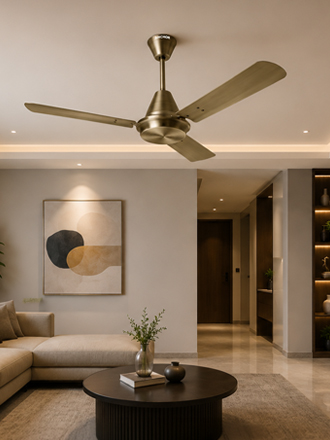
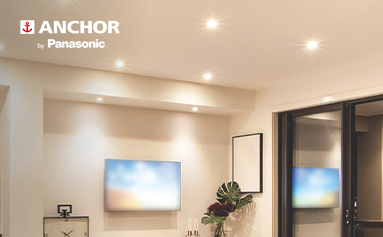
Before adding decorative lights, look at the room after sunset. Does the seating area feel dark? Is the television reflecting light? Does your favourite corner disappear once the main light is switched off?
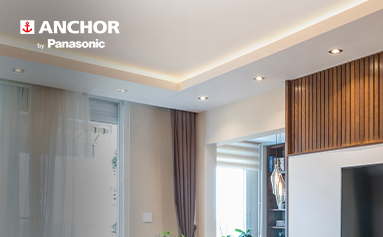
These details can help determine where additional lighting is needed. Use ceiling fixtures for general illumination and LED down lights to highlight artwork, shelves or architectural features. A floor lamp beside the sofa can make a reading corner more comfortable.
For decoration, try placing fairy lights along one window or around a bookshelf. A little restraint often makes the arrangement look more considered.
Pooja Room
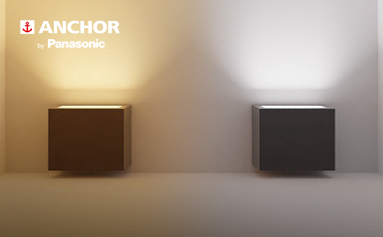
The pooja room calls for a softer approach. Warm white lighting can bring out the details of a wooden mandir, brass accessories and festive flowers without making the space appear too bright.
Strategically placed LED spotlights can create a gentle focal point around the idols while adding depth to the overall decor. Traditional diyas can complete the arrangement, provided they are placed on stable, non-flammable surfaces. Keep their flames away from flowers, fabric and electrical wiring.
Bedroom
Not every room needs to look like a festive display. In the bedroom, a small change can be enough.
Warm LED bulbs in bedside lamps create a relaxed atmosphere. A short string of lights around a mirror or headboard can add a festive detail without overwhelming the room. Keep the main lighting practical, particularly if the bedroom is also used for reading or working.
Kitchen
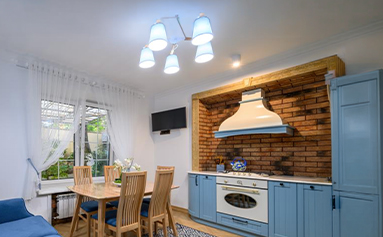
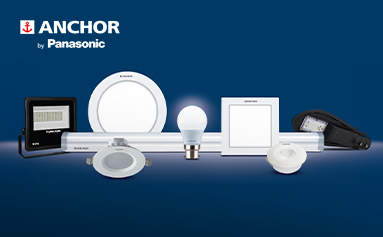
A beautifully decorated kitchen is of little help if you cannot see what you are chopping. During Diwali, when cooking schedules become busier, good task lighting matters. Panasonic LED battens are a practical choice for providing bright, uniform illumination across kitchen spaces.
Under-cabinet fixtures can illuminate countertops that are often left in shadow. Ceiling lights should provide sufficient general illumination, while fixtures near sinks and cooking areas must be suitable for their installation conditions. Keep decorative lights away from stoves, hot surfaces and appliances.
Dining Room
The dining table deserves attention because it often becomes the centre of festive gatherings. A pendant light above it can define the space and provide useful illumination.
The height and brightness matter. A fixture positioned too low can obstruct views across the table, while an excessively bright one can create glare. Add a few decorative elements around the table, but leave enough room for serving dishes and guests.
Entryway and Foyer
A welcoming entrance does not require an elaborate arrangement. A wall light, lantern or small lamp on a console table can make the foyer feel warmer.
If you are placing diyas near the doorway, keep them away from the path people use to enter. Steps and thresholds should remain clearly visible, especially when guests are arriving in the evening.
Balcony
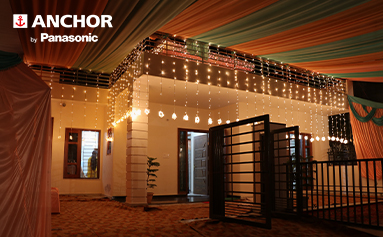
The balcony is often where decorative lighting gets its moment. String lights along the railing create a simple outline, while lanterns can add interest without taking up much space.
There is one detail worth checking before installation: whether the lights are designed for outdoor conditions. Protect electrical connections from rain and moisture, secure cables properly and avoid running wires across walking areas.
Hallways and Staircases
These spaces are about visibility first. Wall-mounted fixtures or ceiling lights can make narrow passages easier to navigate. On staircases, pay attention to the steps and landings rather than concentrating all the light at the top or bottom.
Avoid placing diyas, extension boards or loose decorative cables where people walk.