


- Consumer Products
Back
Consumer Products
- Switches and Sockets
- Accessories
- Wires, Cables and Tapes
- Switchgear and Protection Devices
- PVC Conduits and Accessories
Back
PVC Conduits and Accessories

- Smart Homes and Buildings
Back
Smart Homes and Buildings
- Fans and Ventilation
- Water Heaters
- LED Lighting
- Solar
- Modular Kitchen
Back
Modular Kitchen

- Home Advancements
Back
Home Advancements

- Power Tools
Back
Power Tools
- EV Charger and Accessories
- Home Appliances
Back
Home Appliances
- Industrial Products
- Inspirations
- About Us
Back
About Us
- Our Story
Back
Our Story
- Manufacturing Excellence
Back
Manufacturing Excellence
- CSR
Back
CSR
- Careers
Back
Careers
- Our Story



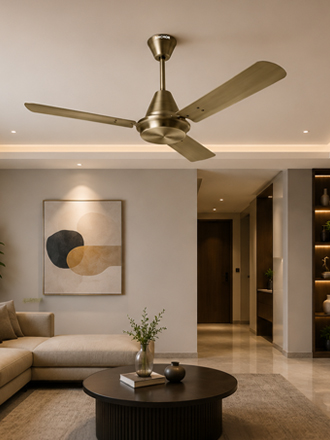


Homeowners frequently wrestle with lighting decisions when updating their spaces, particularly as LED Light technology brings so many choices into play. Selecting between Warm LED Light and Cool LED Light goes beyond mere brightness; it shapes how a room feels and functions for everyone using it.
In Indian homes, where evenings often blend family time with practical tasks, grasping the warm light vs cool light distinction helps create atmospheres that truly support daily life. This exploration offers clear guidance on their characteristics, ideal applications, and how they fit into evolving household dynamics, from cozy gatherings to focused work sessions.
What is Warm White Light?
Warm LED Light casts a gentle, yellowish radiance that echoes the comforting glow of old-style bulbs or a late afternoon sun filtering through curtains. With color temperatures typically between 2700K and 3000K, this lighting fosters an environment where people naturally relax and connect.
Many families notice how it softens the edges of a room, making wooden accents and earthy tones stand out in a flattering way. Over time, this quality turns living areas into natural havens for unwinding, especially after hectic days filled with work or chores.
Its widespread appeal stems from a proven ability to ease eye strain during extended evening hours, promoting better rest.
What is Cool White Light?
Cool LED Light delivers a clear, bluish illumination that closely resembles natural daylight streaming in on a bright morning. Ranging from 3500K to 6500K on the color temperature scale, it sharpens focus and reveals details with remarkable precision.
This type of lighting energizes spaces, helping users tackle tasks that demand accuracy, such as preparing meals or reviewing documents. In modern Indian setups, where homes double as offices, its refreshing clarity keeps productivity high without overwhelming the senses.
The effect proves particularly valuable in areas prone to clutter, as it highlights surfaces cleanly and efficiently.
Difference Between Warm White and Cool White
Aspect | Warm LED Light | Cool LED Light |
|---|---|---|
Color Temperature | 2700K - 3000K, Soft yellow glow | 3500K - 6500K, Crisp bluish daylight |
Mood Influence | Promotes relaxation and intimacy | Encourage focus and alertness |
Task Suitability | Ambiance and general comfort | Precision work and detailed visibility |
Energy Efficiency | Comparable wattage performance | Comparable wattage performance |
Where Can Warm White Light Be Used?
Warm LED Light shines brightest in spots designed for comfort and connection, making it a staple in residential areas where emotional well-being takes center stage. Across India, families incorporate it thoughtfully to enhance moments of togetherness.
- In living rooms, it creates an enveloping warmth that encourages lingering chats over tea, softening the transition into night.
- Bedrooms transform into serene retreats, where the gentle hue signals the body to prepare for sleep after a full day.
- Dining areas gain an intimate charm, elevating shared meals during festivals or everyday dinners with subtle elegance.
- Pooja rooms benefit from its calming presence, fostering reverence and peace during prayers or meditations.
Where Can Cool White Light Be Used?
Cool LED Light thrives in environments requiring unwavering clarity and efficiency, proving indispensable for both residential task zones and commercial operations. Indian households rely on it to maintain order in high-activity areas.
- Kitchens become safer and more effective workspaces, illuminating counters fully to prevent mishaps while chopping or stirring.
- Bathrooms offer unerring visibility at mirrors, supporting morning routines or evening skincare with exacting detail.
- Home offices and study nooks sustain concentration through long hours of reading, writing, or virtual meetings.
Commercial spaces like clinics and retail counters demand its precision to ensure hygiene, accurate inspections, and professional presentations.
Warm Light Vs Cool Light: Identifying Most Suitable Option
Navigating warm light vs cool light involves aligning choices with specific usage patterns, emotional responses, and the adaptable nature of Indian homes that often serve multiple purposes. Residential living spaces frequently favor warm lighting to nurture relaxation amid evening family interactions, while workspaces lean toward cool for sustained mental sharpness.
Mood considerations guide selections, as warm tones ease tensions during celebratory gatherings like Diwali, and cool variants bolster efficiency in daily chores. In commercial settings, blending both creates dynamic appeal.
- Compact urban apartments adapt swiftly, using cool light for daytime studying and switching to warm for quiet nights.
- Joint family homes employ layered setups in open layouts, shifting seamlessly between cooking under cool illumination and dining in warm glows.
- Seasonal variations, from monsoon humidity to winter chill, highlight the need for LED Light flexibility to maintain comfort year-round.
Prioritizing intended activities ensures lighting enhances rather than detracts from experiences.
Why Versatility Matters in Modern 3-in-1 Lighting Solutions
Modern advancements in LED Light bring 3-in-1 solutions that let users toggle between warm, cool, and neutral whites, perfectly suiting the multifaceted demands of contemporary Indian living. Such adaptability means one fixture handles shifting priorities, from bright task lighting during the day to soothing ambiance at night, without the hassle of swaps or rewiring.
This approach cuts down on long-term expenses and clutter, appealing to budget-aware families. As lifestyles evolve with remote work and social hosting, these versatile options provide control over atmosphere, supporting health and productivity effortlessly.
Warm LED Light eases the shift to restful evenings, while Cool LED Light maintains clarity for essential tasks, demonstrating practical value daily.
FAQs
What is the main difference between warm white and cool white?
The difference between warm white and cool white boils down to color temperature: warm white, at 2700K-3000K, delivers a cozy yellowish light, and cool white, at 3500K-6500K, offers energizing bluish tones. These variations directly affect ambiance and functionality in any space.
Where should warm white light be used?
Warm LED Light suits living rooms, bedrooms, dining spaces, and pooja areas, where creating a relaxing, inviting environment encourages family bonding and rest. Cafes and intimate commercial spots also benefit from its welcoming quality.
Where should cool white light be used?
Cool LED Light performs ideally in kitchens, bathrooms, offices, clinics, and laundry areas, providing the sharp visibility needed for safe, precise activities throughout the day.
Why is versatility important in 3-in-1 lighting solutions?
Versatility in 3-in-1 LED Light empowers households to customize illumination for diverse needs, from work to leisure, fostering efficiency and comfort in space-constrained Indian homes.
Do warm white and cool white lights use different amounts of energy?
Warm LED Light and Cool LED Light draw similar energy levels, determined by wattage rather than hue, ensuring both deliver cost-effective performance compared to traditional options.
Which light is better for the eyes: warm white or cool white?
Warm LED Light often feels kinder during extended evening use, minimizing fatigue effectively. Cool LED Light supports brief, intensive tasks well when used with dimming controls.
Share this post


Select more categories
Share this postX
Category
You may also like
Bright Ideas: Smart Lighting Tips for Small Dining Rooms
Read More
Types of LED Lights You Should Know for Home Upgrades for Modern Homes
Read More
Difference Between MCB, MCCB, RCCB and ELCB Explained
Read More
Upgrade Your Home This Diwali with Smart Solutions and Modern Decor
Read More
Essential Electrical Safety Tips to Follow This Diwali for a Safe Celebration
Read More
Stunning Diwali Lighting Ideas To Brighten Your Home
Read More
Stay Safe & Bright During the Rain : Emergency LED Bulbs for Monsoon Power Outages
Read More
A Complete Guide to Downlights and Their Role in Modern Home Lighting
Read More
How Ceiling Spotlights Enhance Home Interiors and Create Perfect Lighting
Read More
Outdoor Home Lighting: Illuminate Your Space with Style
Read More

Download Mobile Apps
- Wizz Smart


- MirAIe
- Anchor Smart Saver
- Anchor Samridhi


